


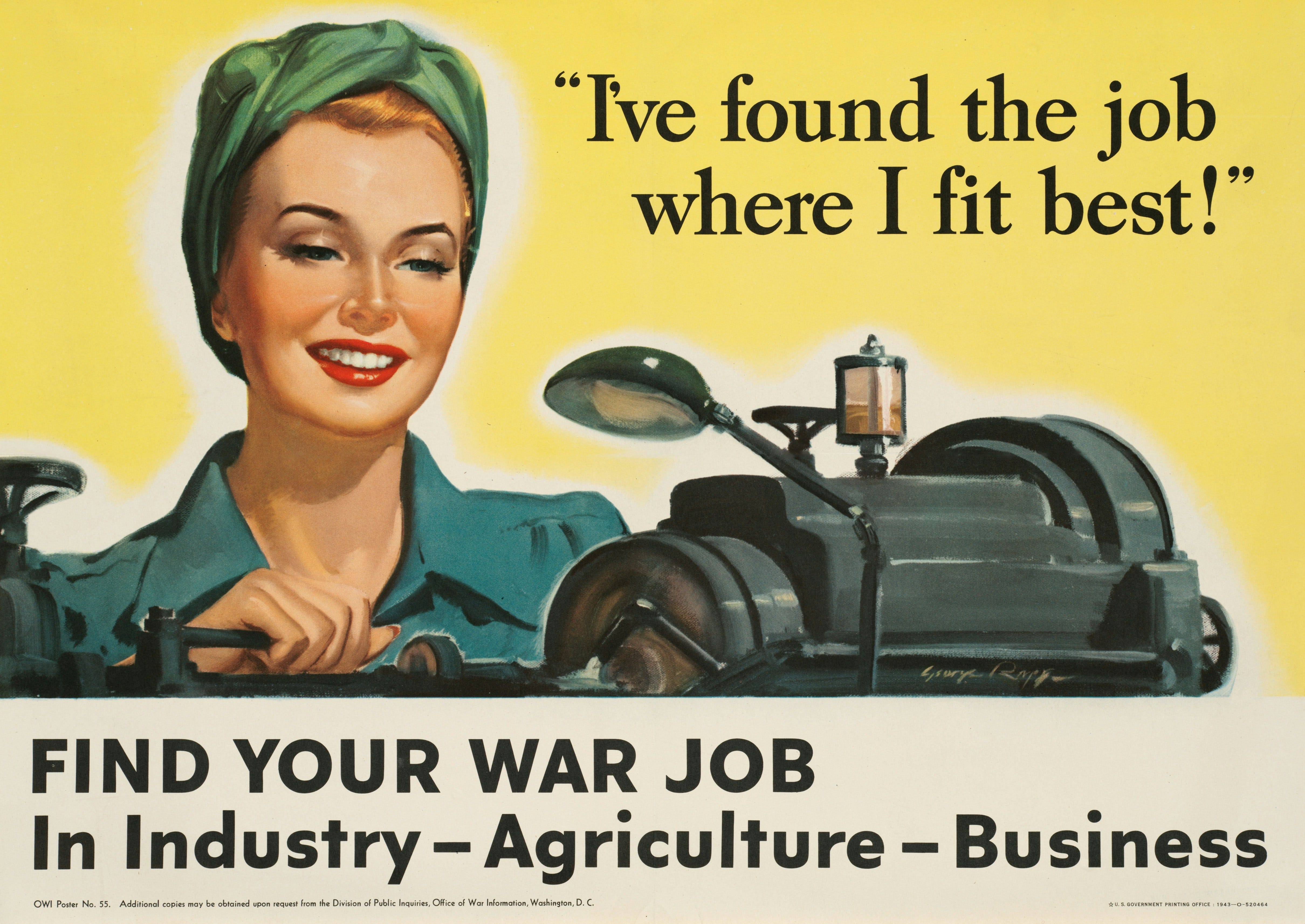
Most big changes arrive quietly, as paperwork. That is how work changed in 1949. No parade, no headline, just small moves that, stacked together, reshaped how we think about every job in America.
Before 1949, hiring was a bet on a person. A boss looked at you and asked whether you could learn, grow, and get better. You were hired for your potential. The person was the point, and the job formed around them.
After 1949, that question turned inside out. Instead of asking who a person was, employers began asking what a job was. The job became what mattered. The person became something you poured into it. Several forces drove it, all at once.
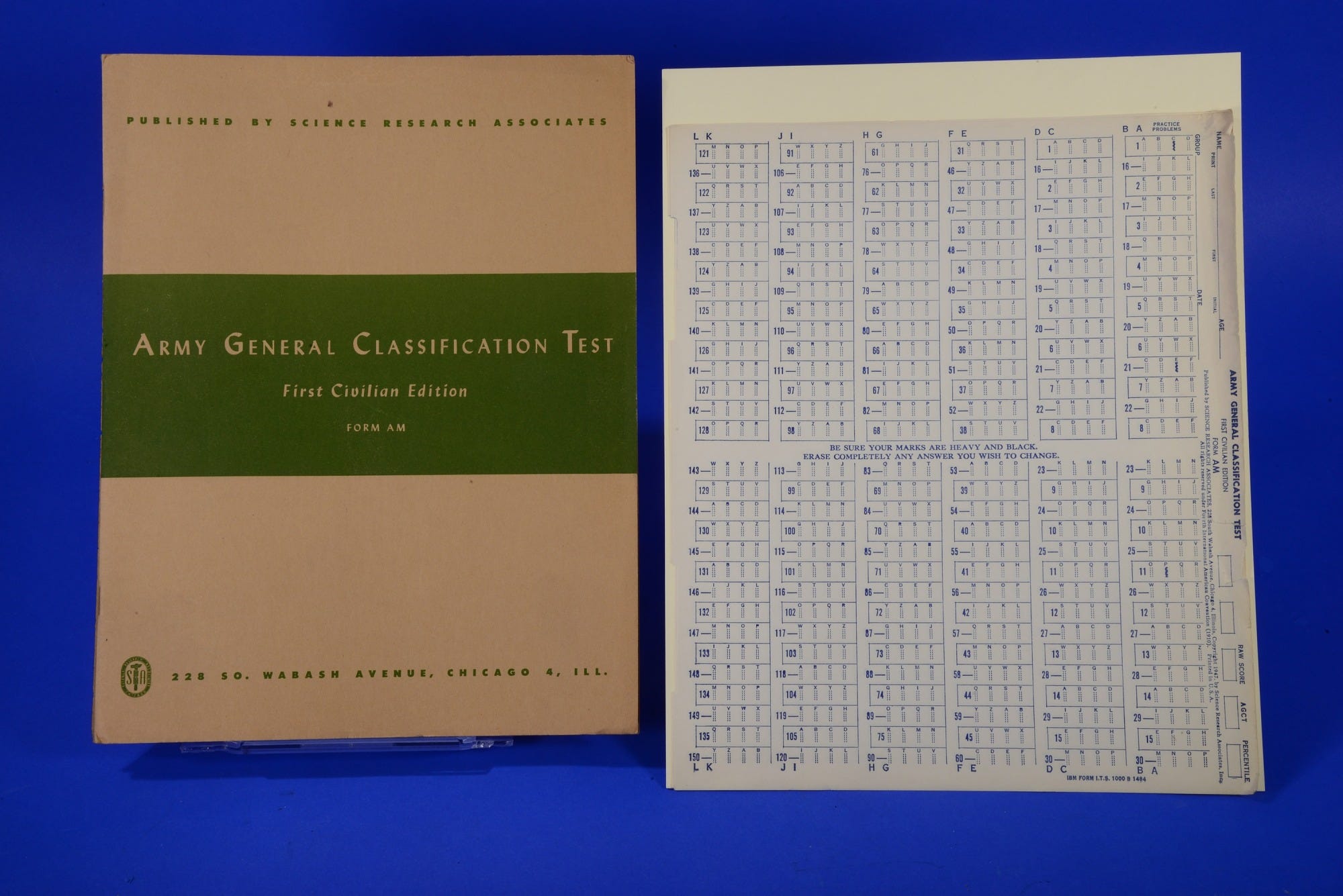
During World War II, the Army had to place millions of people fast, so it built a test that ranked each soldier by five levels of ability. When the war ended, its builders carried it into business. By 1947 you could buy a civilian version. Meanwhile the GI Bill flooded the workforce with graduates, stamped with degrees that proved what they could do.
Then two more pieces fell into place. Two brothers in New Jersey built a company that did one boring thing: it ran other companies’ payroll. You know it today as ADP. Payroll stopped being a clerk with a pen and became a service you bought.
The other piece was a law almost nobody outside government remembers, the Classification Act of 1949. The federal government was the country’s largest employer, and the law sorted nearly every federal job onto a ladder of fifteen grades. Each rung was defined by the job’s difficulty, responsibility, and required skills/qualifications. That system still runs, which is why a job is called a GS-9 or a GS-12.
Sit with what that meant. The job carried its grade and its qualification requirements before any human walked through the door. The slot came first. The person came second. We designed the box first, then went shopping for someone box-shaped.
Once you see it, you see it everywhere: job descriptions, pay grades, “required qualifications,” each treating a job as a fixed slot the worker happens to fill today. It is where specialists come from. Once a job carries its own must-haves, you stop hiring people who can learn anything and hire only those who already match the list. Potential takes a back seat, and the checklist drives.
Intended to inhibit discrimination, the approach caused its opposite. Marginalized people without the ability to gain qualifications are inherently discriminated against.
The pattern peaked in the 1990s, when the reengineering craze urged companies to blow up their job structures and rebuild around how work flowed. People called it new, but it was 1949 reaching its conclusion. You can only blow up jobs that are already solid objects, and 1949 is what made them solid.
For seventy-five years the job won and the person lost, for a mechanical reason: no company could know its people one by one at scale, so it managed categories instead.
Artificial intelligence is dismantling that constraint.
For the first time, we can begin to see what a person actually knows, how fast they learn, and what they might become, across thousands at once. The very thing that forced the position to come first, our blindness to individuals at scale, is what AI will take away.
The early echoes are already here: skills-based hiring, the fading power of the college degree. As machines get better at reading people as individuals, the pre 1949 question becomes worth asking again: who is this person, and how far can they grow? The shift that once put the job first will now quietly put the person back ahead of it. And it will probably arrive the way the first one did, not with a bang but as paperwork.
Photo by Boston Public Library on Unsplash
Image: Army General Classification Test. First Civilian Edition © Smithsonian Institution/